Jan 1, 2024
Reducing Food Waste & Costs in Your Kitchen
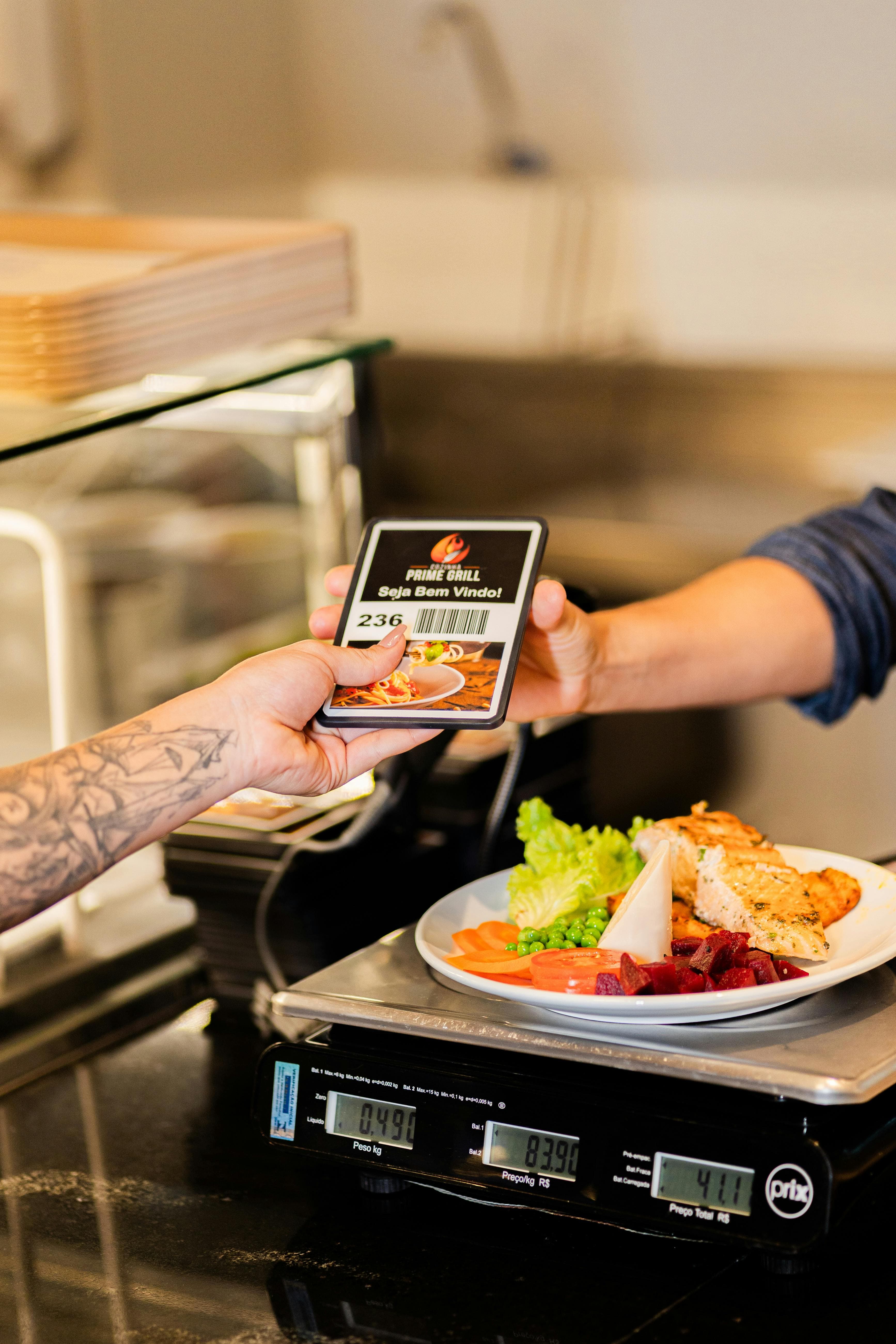
Food waste is not just an environmental issue; it's a massive financial leak.
1. Exact Portion Control
Standardize your recipes. Every plate of momo should have the same number of pieces and the same amount of chutney. Use scales and standardized ladles.
2. Creative Use of Scraps
Vegetable trimmings can make excellent vegetable stocks for soups. Day-old bread can become croutons or bread pudding.
3. Smart Purchasing Decisions
Don't overbuy. Analyze your sales reports to predict occupancy. Buying in bulk saves money only if you use it all.
4. Menu Engineering
Identify items that often result in waste because they use unique ingredients not used elsewhere. Try to design a menu where perishable ingredients are used across multiple dishes.